




Skin Allergy Treatment in Multan Starts with Rash Type
Learn how skin allergy treatment in Multan differs for hives and contact dermatitis, including patch testing, antihis...
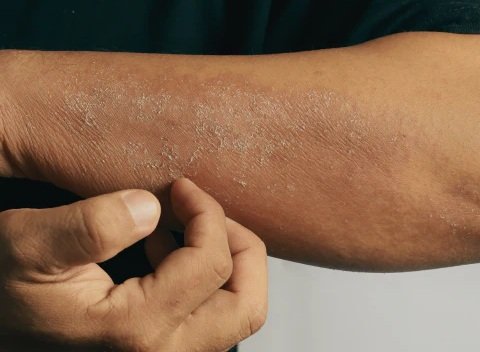
An itchy rash does not necessarily indicate an allergy. Hives, contact dermatitis, eczema, medicine reactions, scabies and fungus can all look alike, but require entirely different treatment. Timing is the first step in the treatment of skin allergies in Multan: do each of the marks move and fade in hours? Do they stay in place for days? Do they blister where they come into contact with a skin or do they appear after a new medicine? Difficulty breathing, dizziness or swelling in the mouth or throat are emergencies and should not be left for a regular appointment with the dermatologist.
Hives Treatment in Multan
The welts actually raised and itchy that result from the release of histamine are called hives. An individual welt usually fades within a day while another can appear elsewhere. Most of the episodes are not related to a specific food or product. A non-sedating antihistamine is typically chosen based on age, pregnancy history, medical history, other medications and drowsiness.
Urticaria lasting longer than six weeks is called chronic. Restrictive diets do not usually resolve chronic spontaneous urticaria, although sometimes heat or pressure (or other physical factors) play a role. When standard treatment is not effective, the specialist may prescribe an adjusted antihistamine treatment or omalizumab (if appropriate).
Contact Dermatitis, Patch Testing
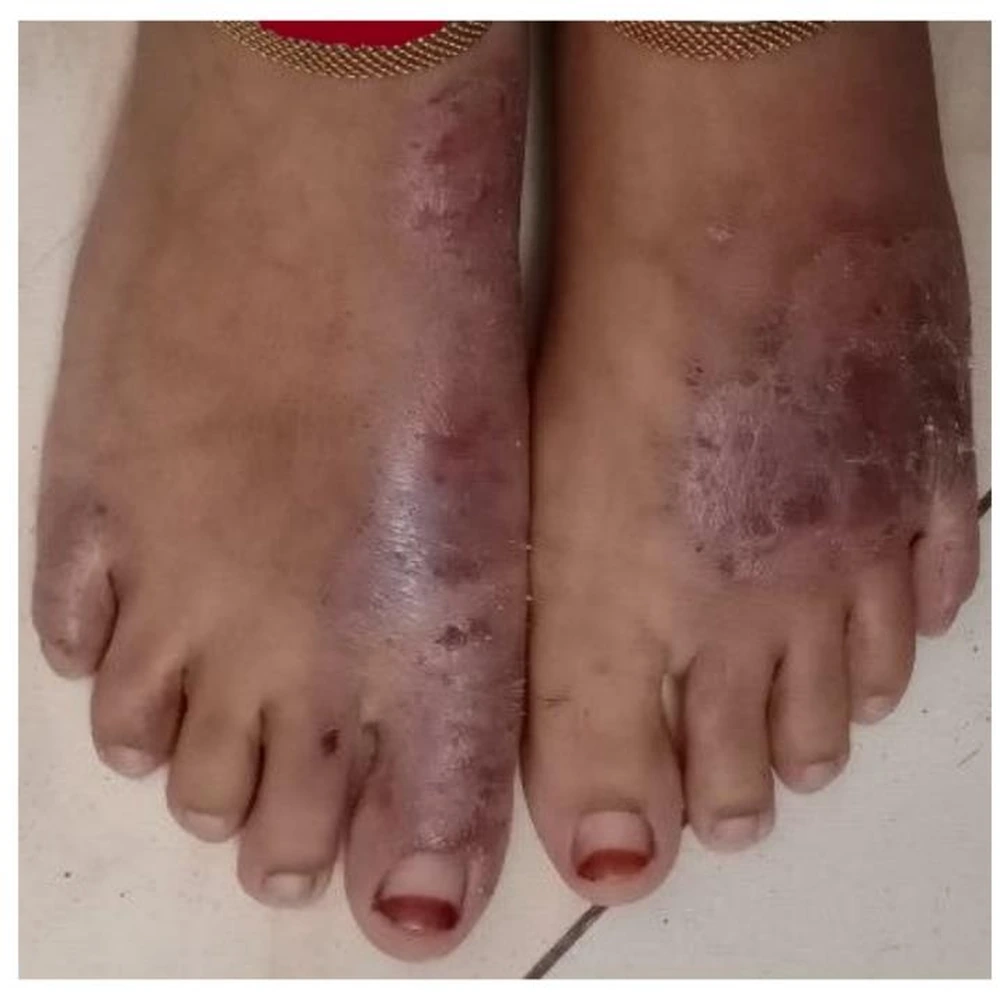
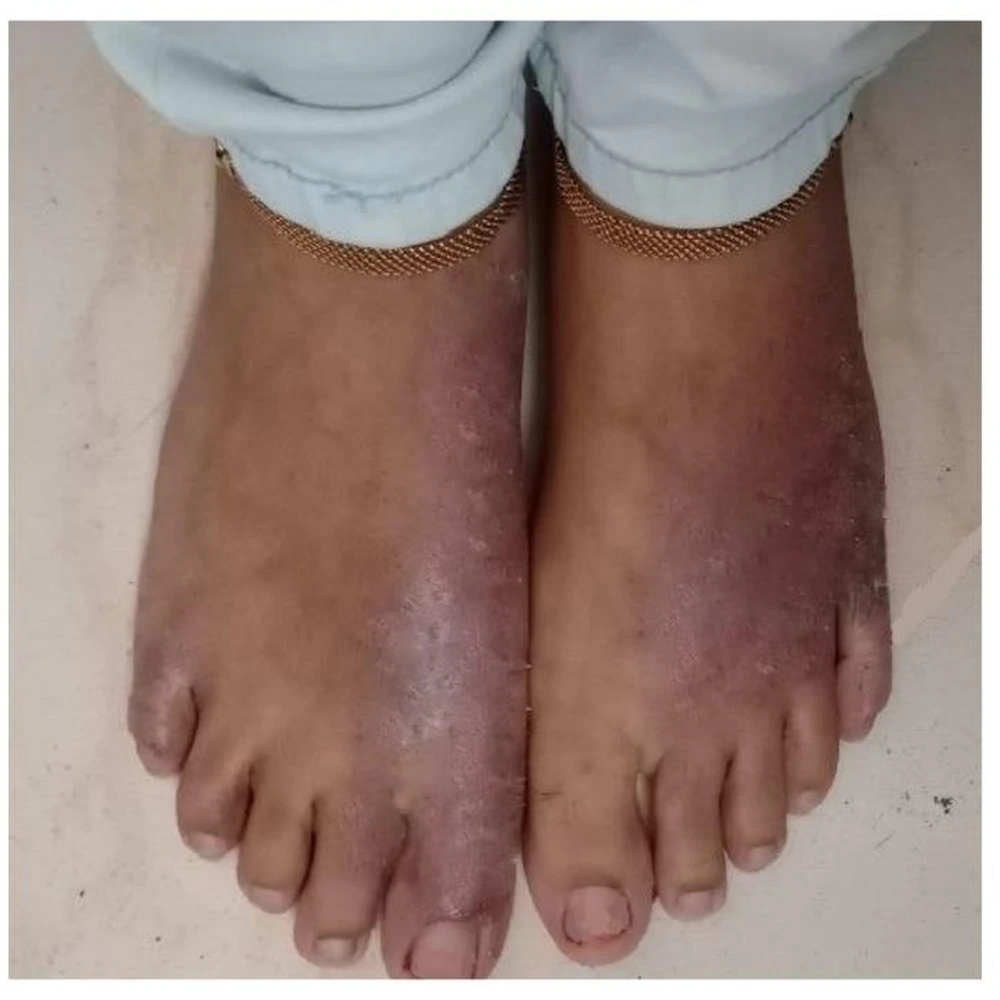
Contact dermatitis will persist longer on exposed skin and may become scaly, red, cracked or blistered. Common questions include: Fragrance, preservatives, metals, hair dye and work chemicals. Patch testing involves applying timed readings of potential contact allergens to the back and distinguishes from skin-prick testing, and is not used to diagnose most hives and not all itchy rashes.
Treatment involves simply avoiding a known substance, barrier repair and topical corticosteroid for a short duration, depending on the specific site. Antihistamine will help alleviate itching, but cannot help control contact inflammation. If you have fungal infections or scabies, you will need a different treatment.
Warning Signs of Medicine Reactions
It is not a simple urticarial eruption or blisters/peeling skin after a new medicine that can be readily diagnosed and treated, but rather a fixed painful eruption accompanied by fever, mouth sores, and needing urgent assessment. Retain packaging and time information. Avoid giving an additional dose unless supervised by a specialist to test the reaction.
Hives, contact dermatitis and medicine reactions should not be grouped under one “allergy” cream. Timing and distribution usually point toward the right pathway, and testing is useful only when it answers a specific question. Patients should leave care knowing both the routine flare plan and the symptoms that require emergency help.
Benefits and Expected Results
Faster itch control
Cause-appropriate medicine can reduce histamine symptoms or contact inflammation.
Reduced swelling
Antihistamine therapy may lessen uncomplicated hives in suitable patients.
Clearer trigger identification
History and targeted testing can connect a rash to a relevant medicine or contact substance.
Fewer unnecessary restrictions
Avoiding broad food panels prevents diets based on results unrelated to the rash.
Better skin-barrier recovery
Emollient care can help cracked contact dermatitis heal after exposure stops.
A written emergency plan
Clear warning signs help patients recognise when antihistamine and clinic follow-up are not enough.
What to Expect
Treatment Time
20–45 minutes
Downtime
Usually none
Results Onset
Hours to weeks
How Long Results Last
Trigger dependent
How Your Skin Allergy Treatment in Multan Starts with Rash Type Works
Rash-timeline review
The clinician compares lesion duration, photographs, exposures, medicines and household symptoms.
Targeted treatment
Antihistamine, topical anti-inflammatory care or another diagnosis-specific medicine is selected without random broad testing.
Recurrence assessment
Persistent hives or contact patterns guide patch testing, dose review or allergy-specialist referral.
Before & After
Trusted Expertise You Can Count On
10+
Years of Clinic Experience
5,000+
Treatments Performed at the Clinic
20–45 minutes
Typical Treatment Time
Certified aesthetic practitioners
Strict clinical hygiene protocols
Personalised treatment planning
Some antihistamines cause drowsiness; topical steroids have potency and site-specific risks. A trigger is not always found, particularly in chronic spontaneous urticaria. Call emergency services for breathing difficulty, throat tightness, faintness, rapidly worsening tongue or mouth swelling, or hives with other anaphylaxis features. Facial swelling after a new medicine also needs prompt medical guidance.
Frequently Asked Questions
Below are the most common questions about Skin Allergy Treatment in Multan Starts with Rash Type. Don't see yours? Contact us for a free consultation.
No. Itch can be caused by eczema, scabies, fungal infection, psoriasis or dermatitis. The distribution, how the lesions change over time, exposure history and associated symptoms are the diagnostic clues. Reaching for an antihistamine or a steroid cream for every skin irritation is unhelpful, because it can mask the pattern before a diagnosis is made.
Anaphylaxis may be indicated by hives together with breathing difficulty, a hoarse voice, dizziness or swelling of the lips and tongue. Use a prescribed adrenaline auto-injector straight away if you have one, then call emergency services or go to the nearest emergency department. Do not wait to see whether an antihistamine works.
A hive, or weal, is a raised itchy swelling of the skin with no pus. Individual weals move around and usually settle within 24 hours, though new ones can keep appearing. Contact dermatitis is more persistent, sits on the exposed area and can blister, scale or crack. It is often triggered by a substance that patch testing can identify, and it needs its own treatment.
Usually not. Chronic spontaneous urticaria is rarely driven by a particular food and is more often immunological. Cutting out foods is restrictive both medically and socially. A doctor should decide from your history whether any allergy testing is genuinely appropriate.
Patch testing detects delayed contact allergy to substances that touch the skin, such as fragrances, preservatives and metals. It needs readings at scheduled intervals. It does not diagnose anaphylaxis, and it does not treat chronic hives or every eczema flare.
Non-sedating antihistamines are the standard daily treatment for long-term hives and are often taken regularly rather than only when a rash appears. The choice and dose depend on age, weight, kidney and liver function, pregnancy or breastfeeding, and other medicines being taken. Do not combine medicines or exceed the prescribed dose unless a doctor has told you to.

What our clients say about us

"My experience with the clinic was excellent from consultation to recovery. I had a facial surgical procedure done, and the attention to detail was impressive. The results enhanced my features without making me look artificial. I’ve received so many compliments since then."

"For years I avoided fitted shirts and social gatherings because of gynecomastia. Finally getting the surgery changed my confidence completely. The results look very natural, and I honestly wish I had done it earlier. The surgeon explained every step clearly which gave me peace of mind."

"I always looked tired because of the extra skin around my eyes, even when I was fully rested. After my blepharoplasty procedure, my eyes look fresh and natural. The recovery was smoother than I expected, and the clinic staff made me feel comfortable throughout the process."

"I wanted a subtle change to my nose without losing my natural features. The rhinoplasty result was exactly what I hoped for. My face looks more balanced now, and even my family appreciated how natural everything turned out."

"I was nervous before starting laser treatment, but the experience was much easier than I expected. The clinic environment is clean and professional. After multiple sessions, the hair growth has reduced a lot."

"I wanted subtle Botox results without looking overdone. The doctor understood exactly what I wanted and kept everything very natural. I still look like myself, just more fresh and relaxed."

The best aesthetic clinic in Multan
Whether you're looking to reduce fine lines, enhance your features, or achieve glowing skin — our specialists are ready to help you look and feel your very best.
Ready to Reveal Your Best Self?
Book a consultation today and let our specialists create a personalised treatment plan just for you.