


Scar Treatment in Multan for Different Scar Types
Learn how scar treatment in Multan differs for keloid, hypertrophic, flat and depressed scars, including silicone, in...
A scar can be flat and dark, depressed, elongated, thick, dry and/or rough. Its behaviour is as important as its looks. Hypertrophic scars remain in the wound area, while keloids develop outside of the wound area and are more prone to recurrence. Scar treatment in Multan can't restore an unharmed skin, but it could help to enhance skin thickness, colour, soreness, movement or form. The first question to ask is if the scar has sufficiently matured and healed for the method offered, not which procedure has the best before and after photo. The initial step in Scar Removal Treatment Multan is to classify the scar. The first step in Scar Removal Treatment Multan is classification of the scar.
Many months later, there is a constant change in scars. After the wound is closed, silicone gel or sheeting can be beneficial for some raised scars. Sun protection reduces colour contrast and massage is only considered when healing has occurred and the treatment clinician has advised it.
The corticosteroid injections can help relax some hypertrophic scars and keloids. These can also be combined with cryotherapy, pressure treatment or pulsed dye laser if applicable. Keloids can return if they are not treated with a plan to prevent their recurrence after they have been cut off.
The scars that appear on the body in this condition are flat, depressed and contracted
A flat depression requires different treatment than a pigmented flat scar. Depending on the defect, topical pigment treatment, vascular laser, fractional resurfacing, microneedling, dermabrasion, subcision or minor revision may be discussed. Surgical scars that have been stretched or a contracture that interferes with movement may need to be evaluated by a dermatologist/plastic surgeon.
Restriction of movement, itch and pain are legitimate treatment goals. Cosmetic resurfacing should not be performed on an open, infected or rapidly changing lesion, as this is not necessarily a harmless scar.
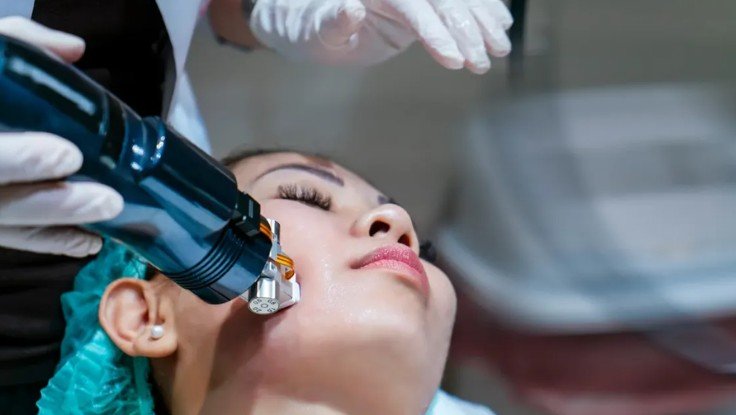
Laser Scar Removal in Multan
Selects redness and vascularity in specific scars with a pulsed dye laser. The goal of fractional CO2 or non-ablative devices is to remodel the texture at various depths. Attempting to remove a scar with laser alone or to control an active growing keloid will not guarantee success. For darker skin tones in Pakistan, it is also recommended to use caution, as inflammation can result in pigmentation.
The most useful scar plan is based on whether tissue is raised, depressed, pigmented, contracted or still maturing. Because recurrence and healing vary by body site and scar biology, professional examination should come before laser or revision. Improvement is realistic; complete scar disappearance is not. Long-term scar care may continue.
Benefits and Expected Results
Flatter raised tissue
Injections or combination care may reduce the height of selected hypertrophic scars and keloids.
Softer scar texture
Remodelling treatments can make firm or irregular tissue feel more flexible.
Reduced redness
Vascular treatment may lower colour contrast in suitable red, active scars.
Less itching or tenderness
Controlling raised-scar activity can improve symptoms as well as appearance.
Improved movement
Revision or contracture management may release scar tissue that restricts a joint or nearby skin.
Better contour transition
Subcision, needling or resurfacing may soften selected depressed scar edges.
What to Expect
Treatment Time
15–90 minutes
Downtime
0–14 days
Results Onset
Weeks to months
How Long Results Last
Long-term change
How Your Scar Treatment in Multan for Different Scar Types Works
Scar-behaviour assessment
The clinician records age, cause, symptoms, body site, wound tension and personal keloid history.
Type-specific intervention
Silicone, injection, laser, needling or surgery is selected for the scar rather than applied as a universal package.
Recurrence monitoring
Thickness, colour, pain and movement are compared over months, and renewed growth is addressed early.
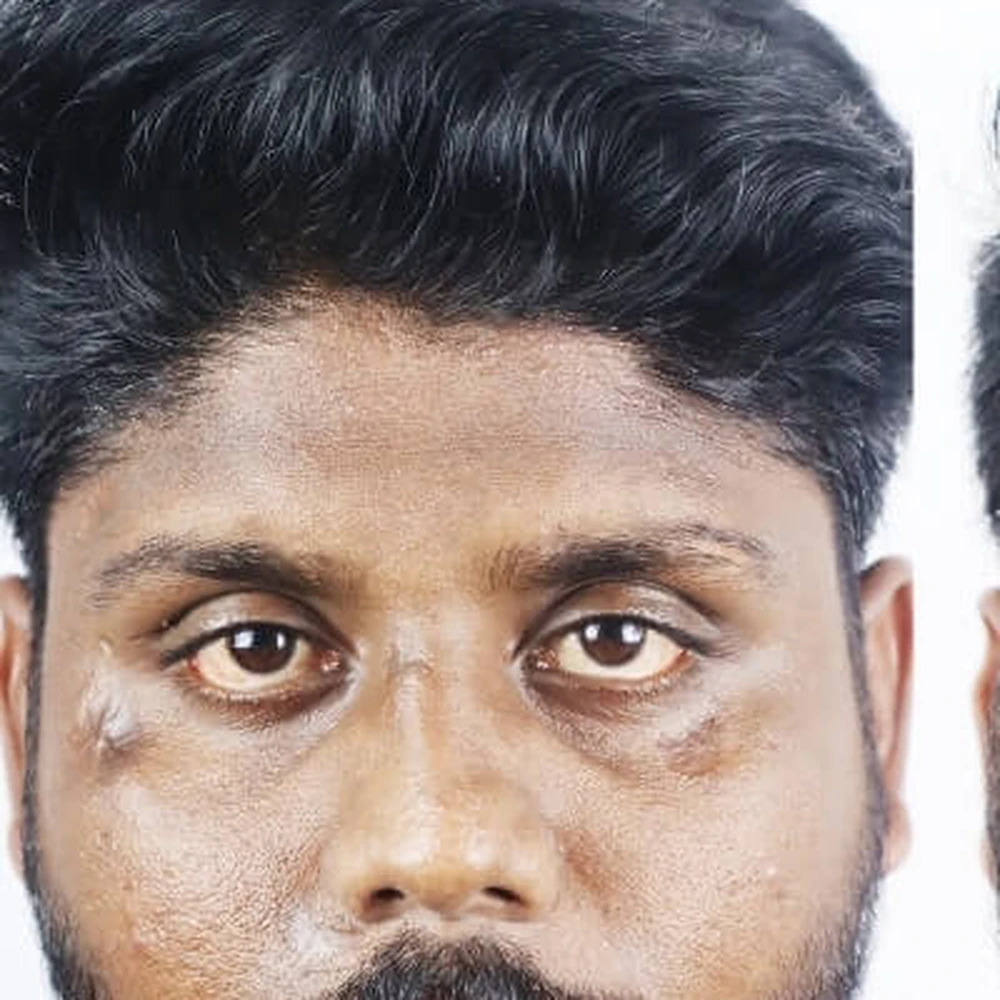
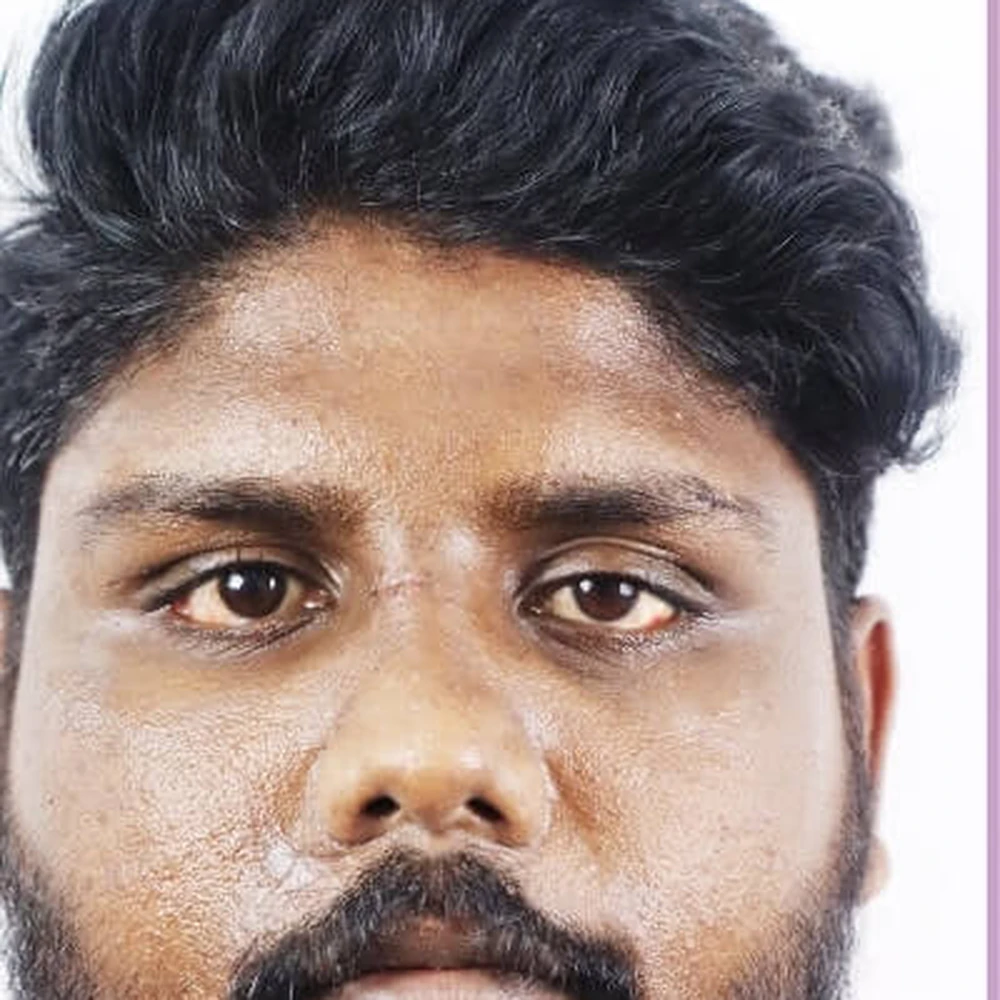
Before & After
Trusted Expertise You Can Count On
10+
Years of Clinic Experience
5,000+
Treatments Performed at the Clinic
15–90 minutes
Typical Treatment Time
Certified aesthetic practitioners
Strict clinical hygiene protocols
Personalised treatment planning
Tenderness, redness, swelling, bruising, crusting and pigment change vary by method. Injections can thin nearby skin; laser can burn or scar; surgery creates another wound and does not guarantee a finer scar. Keloids can recur after apparently successful care. Use sunscreen on healed exposed scars and follow silicone, pressure or wound-care instructions rather than home acids.
Frequently Asked Questions
Below are the most common questions about Scar Treatment in Multan for Different Scar Types. Don't see yours? Contact us for a free consultation.
Scars continue to change on their own, and many flatten, soften and lose redness over the first year or two. How much a scar can be improved depends on whether it is raised, depressed or tethered, how much tension sits across it, and any colour change. Older, mature tissue tends to respond more slowly, and no treatment removes a scar completely.
A keloid grows beyond the boundary of the original injury, whether that was a cut, a burn or a piercing. A hypertrophic scar stays within the original wound edges. The distinction matters because recurrence rates and treatment differ, so it should be confirmed on examination rather than assumed.
Silicone gel or sheeting is best used to prevent and soften a scar once the wound has closed. It will not help an open or ulcerated wound and does not replace surgery for a contracture that restricts movement. Consistent daily use over several months is what makes it effective.
No. Laser can soften texture and resurface selected areas, but the scar itself remains. Improvement can be lasting, although keloids and hypertrophic scars may still recur. Raised scars are more often treated with injections, sometimes combined with laser rather than laser alone.
Cutting a keloid out creates a fresh wound in skin that is already prone to excess collagen, so excision on its own commonly produces another one. That is why removal is usually combined with additional treatment such as steroid injections, pressure therapy, silicone and, in selected high-risk cases, radiotherapy.
Cost depends on the scar type, the size and site of the area, symptoms such as itch or pain, and the method chosen, whether that is silicone, injections, cryotherapy, laser or surgery. A small flat scar and a recurrent keloid need very different care, so an assessment is needed before an accurate plan and price can be given.

What our clients say about us

"My experience with the clinic was excellent from consultation to recovery. I had a facial surgical procedure done, and the attention to detail was impressive. The results enhanced my features without making me look artificial. I’ve received so many compliments since then."

"For years I avoided fitted shirts and social gatherings because of gynecomastia. Finally getting the surgery changed my confidence completely. The results look very natural, and I honestly wish I had done it earlier. The surgeon explained every step clearly which gave me peace of mind."

"I always looked tired because of the extra skin around my eyes, even when I was fully rested. After my blepharoplasty procedure, my eyes look fresh and natural. The recovery was smoother than I expected, and the clinic staff made me feel comfortable throughout the process."

"I wanted a subtle change to my nose without losing my natural features. The rhinoplasty result was exactly what I hoped for. My face looks more balanced now, and even my family appreciated how natural everything turned out."
"I was nervous before starting laser treatment, but the experience was much easier than I expected. The clinic environment is clean and professional. After multiple sessions, the hair growth has reduced a lot."

"I wanted subtle Botox results without looking overdone. The doctor understood exactly what I wanted and kept everything very natural. I still look like myself, just more fresh and relaxed."

The best aesthetic clinic in Multan
Whether you're looking to reduce fine lines, enhance your features, or achieve glowing skin — our specialists are ready to help you look and feel your very best.
Ready to Reveal Your Best Self?
Book a consultation today and let our specialists create a personalised treatment plan just for you.