




Psoriasis Treatment in Multan for Long-Term Control
Learn how psoriasis treatment in Multan uses topical medicine, scalp formulations, narrowband UVB or systemic care wh...
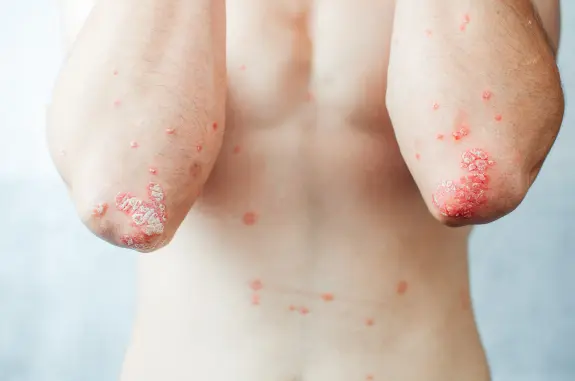
Psoriasis may cause distinctively outlined, scaly patches to develop, or build-up in the scalp, nail changes or pain in the skin folds. It is an immune-mediated disease and not contagious. Diagnosis is important before treatment is given as it may look like eczema, fungal infection or seborrhoeic dermatitis. Psoriasis treatment in Multan is chosen on the basis of the area involved in psoriasis, its thickness, symptoms and its impact on day to day activities, instead of surface area. Even minor amounts of skin loss in a small region such as a palm, sole, genitals or nail area can be a major nuisance.
The Psoriasis Dermatologist's Assessment of severity.
Examination of the skin, scalp and nails and questions on flares, medicines, infection, smoking, weight and family history. Diagnosis is generally clinical; fungal testing or biopsy is only indicated if there is doubt. Joint pain, stiffness in the morning, swollen fingers or toes, heel or back symptoms should be inquired as skin improvement is not enough protection for an inflamed joint.
If the plaques are limited they will respond to a topical corticosteroid, vitamin D analogue or other non-steroidal drug that is prescribed. Potency and duration is dependent on body site. However, frequent use of strong steroids on the face and folds can be harmful and moisturiser can help with dryness but it doesn't replace anti-inflammatory treatments.
The treatment of scalp psoriasis in Multan is available.
Dye resistant treatment, medicated shampoos and shampoo conditioners can help with a prescription treatment, foam, lotion or oil that penetrates the hair to the skin. Roughly lifting scale can lead to bleeding and further inflammation. The regimen should be suitable to the type of hair and washing habits; if not, even a medical product can not be consistently used.
Treatment involves phototherapy and systemic options.
Narrow band UVB is a medical light treatment for certain widespread or persistent disease, it is not to be confused with sunbathing or a tanning bed. Eye protection and cumulative exposure/dose scheduling are important. After screening for infection, review of vaccinations, discussion of pregnancy and laboratory monitoring as needed, moderate or severe psoriasis may warrant another systemic medication (such as methotrexate, apremilast, or a biologic).
Long-term psoriasis care must account for site, symptoms, nails and joints as well as plaque area. A dermatologist can choose a practical formulation, decide when controlled phototherapy or systemic medicine is justified and coordinate rheumatology review for persistent joint symptoms. Regular review also helps manage medicine risks and changing disease activity.
Benefits and Expected Results
Thinner plaques
Anti-inflammatory treatment can reduce raised, scaly tissue in responsive areas.
Less flaking
Scalp and body-site care can limit loose scale and improve day-to-day comfort.
Reduced itch and soreness
Controlling inflammation may ease scratching, cracking and tenderness.
Better nail management
Diagnosis-led treatment can address pitting, lifting or thickening related to psoriasis.
Longer controlled periods
Maintenance therapy may extend remission even though future flares remain possible.
Earlier joint referral
Screening can identify symptoms that need rheumatology assessment before damage progresses.
What to Expect
Treatment Time
Ongoing care
Downtime
Usually none
Results Onset
Weeks to months
How Long Results Last
Maintenance dependent
How Your Psoriasis Treatment in Multan for Long-Term Control Works
Skin, nail and joint review
The clinician records plaque sites and severity and screens for psoriatic arthritis symptoms.
Severity-matched therapy
Topical medicine, phototherapy or monitored systemic care is selected around site and health history.
Benefit and safety monitoring
Symptoms, photographs and laboratory or infection checks guide continuation or a change in treatment.
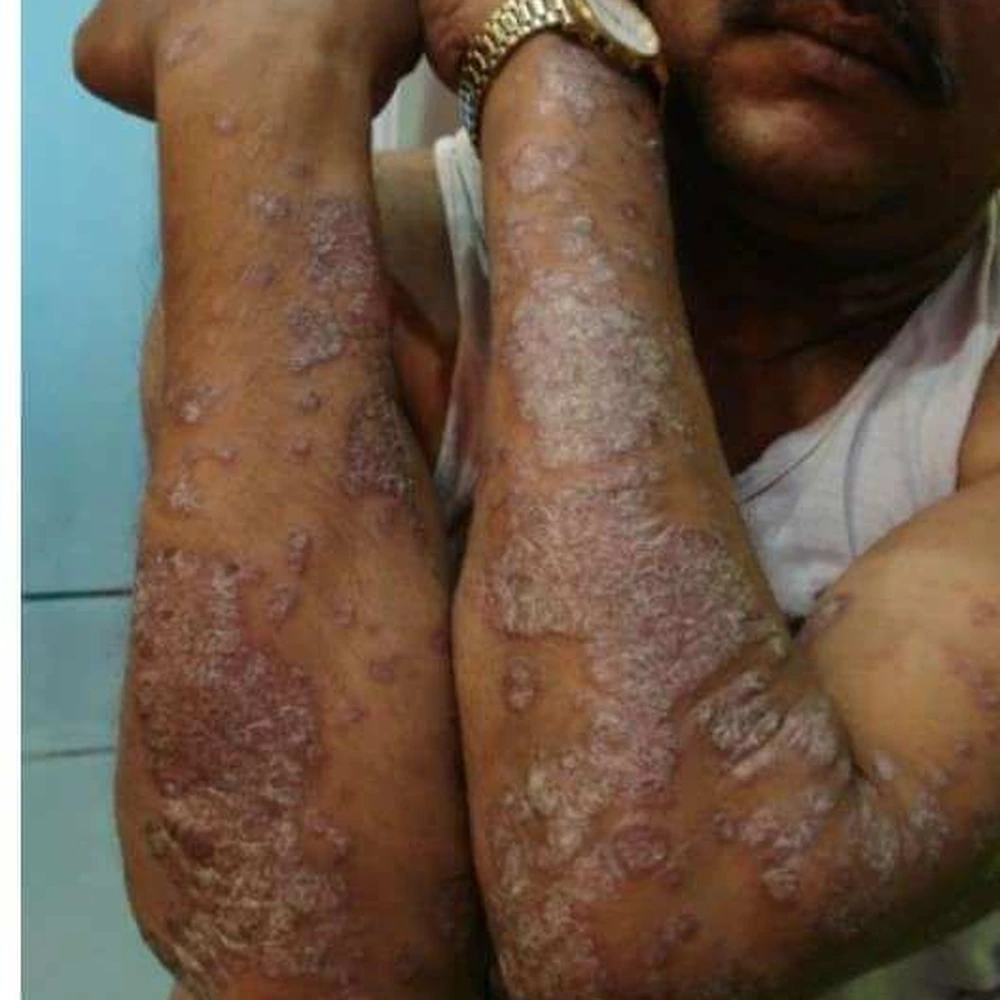
Before & After

Trusted Expertise You Can Count On
10+
Years of Clinic Experience
5,000+
Treatments Performed at the Clinic
Ongoing care
Typical Treatment Time
Certified aesthetic practitioners
Strict clinical hygiene protocols
Personalised treatment planning
Psoriasis has no guaranteed permanent cure. Topical agents can irritate or thin skin if misused; phototherapy can burn; systemic medicines have drug-specific infection, organ and pregnancy risks. Infection, stress, skin injury and certain medicines can trigger some flares, but patterns differ. Do not stop systemic treatment suddenly or use tanning beds as a substitute for prescribed UVB.
Frequently Asked Questions
Below are the most common questions about Psoriasis Treatment in Multan for Long-Term Control. Don't see yours? Contact us for a free consultation.
No. Psoriasis is a chronic autoimmune skin condition and cannot be caught by touching someone, sharing food or close contact. A fungal infection can look like a scaly plaque, so a rash that is not clearly psoriasis may still need examination and testing.
There is no guaranteed lifelong cure. Treatment can clear or greatly reduce plaques and lead to long periods of remission, but flares can return. The aim is sustained stability through a safe, effective plan, alongside monitoring for joint and related conditions.
It depends on the type of medicine, its strength, the sites affected and how you respond. Many people need intermittent or ongoing therapy rather than one short course. Your doctor should explain the expected benefits, the risks and any blood tests that will be needed along the way.
No. Narrowband UVB is delivered at a measured dose, with eye protection, in a controlled setting and under clinical review. Sunlight is uncontrolled: it can burn, it contributes to photoageing and pigment change, and it raises long-term skin cancer risk. A tanning bed is not a substitute for prescribed phototherapy.
Scalp psoriasis is usually thicker, well-defined scale that can extend past the hairline, often with plaques elsewhere on the body and changes in the nails. Seborrhoeic dermatitis can look very similar. Examination helps select the right treatment and avoids overusing both antifungals and steroids.
Morning stiffness lasting more than about 30 minutes, swollen and tender joints, a whole finger or toe swelling like a sausage, and pain at the heel or the back of the ankle are typical signs. Report these promptly. Treating the skin does not prevent joint damage, so early assessment matters.

What our clients say about us

"My experience with the clinic was excellent from consultation to recovery. I had a facial surgical procedure done, and the attention to detail was impressive. The results enhanced my features without making me look artificial. I’ve received so many compliments since then."

"For years I avoided fitted shirts and social gatherings because of gynecomastia. Finally getting the surgery changed my confidence completely. The results look very natural, and I honestly wish I had done it earlier. The surgeon explained every step clearly which gave me peace of mind."

"I always looked tired because of the extra skin around my eyes, even when I was fully rested. After my blepharoplasty procedure, my eyes look fresh and natural. The recovery was smoother than I expected, and the clinic staff made me feel comfortable throughout the process."

"I wanted a subtle change to my nose without losing my natural features. The rhinoplasty result was exactly what I hoped for. My face looks more balanced now, and even my family appreciated how natural everything turned out."

"I was nervous before starting laser treatment, but the experience was much easier than I expected. The clinic environment is clean and professional. After multiple sessions, the hair growth has reduced a lot."

"I wanted subtle Botox results without looking overdone. The doctor understood exactly what I wanted and kept everything very natural. I still look like myself, just more fresh and relaxed."

The best aesthetic clinic in Multan
Whether you're looking to reduce fine lines, enhance your features, or achieve glowing skin — our specialists are ready to help you look and feel your very best.
Ready to Reveal Your Best Self?
Book a consultation today and let our specialists create a personalised treatment plan just for you.