


Alopecia Treatment in Multan
Learn alopecia treatment in Multan for areata, fungal patches and scarring hair loss, including examination, steroid ...
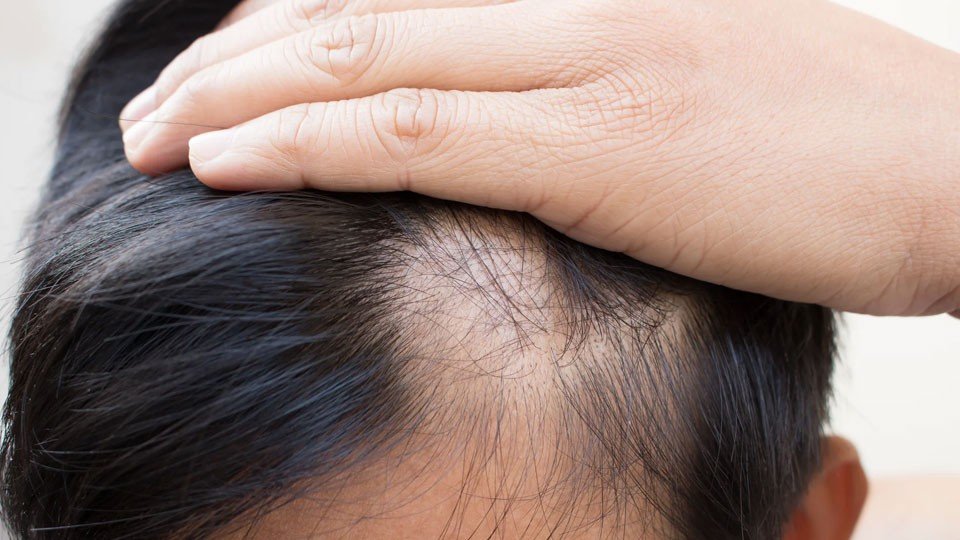
The treatment of alopecia in Multan depends on the cause of the hair loss. There are various types of patchy hair loss for which alopecia treatment of Multan is done.
Alopecia is not a disease, it is just an indication of hair loss. If the patch is smooth and round, it may indicate alopecia areata, but if there are scales and broken shafts, it may be a fungal infection. Any burning, pustules or failure of the follicular openings indicate inflammatory scarring loss, and the delay may result in permanent damage. Thus, in Multan, Alopecia treatment is dependent on a careful examination of the scalp, instead of steroid cream or hair oil being applied to all bald areas. Rapid thinning of the eyebrows, eyelashes or both should also be assessed early.
Alopecia Areata Treatment in Multan
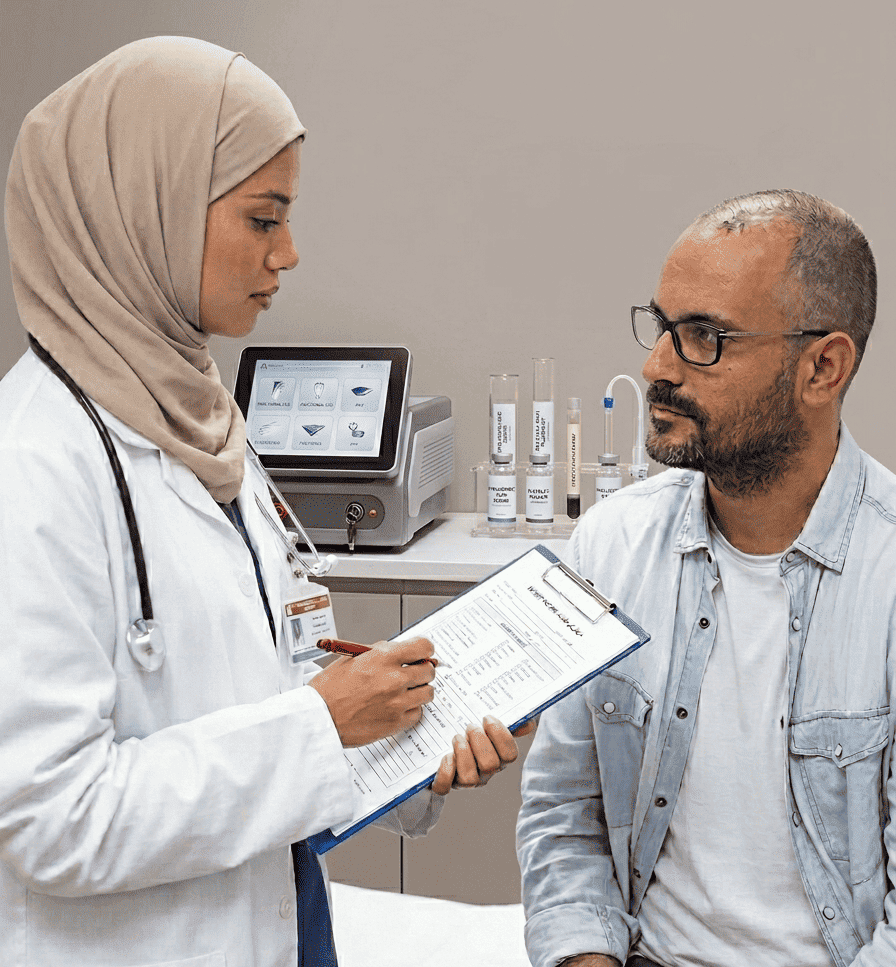
Alopecia areata is a non-scarring autoimmune disorder in which the immune system attacks the follicles. The dermatologist will inspect the scalp, nails and any other parts of the body where hair grows and might try to use trichoscopy to search for the characteristic changes of the hair shafts. Blood tests are selective, and biopsy is only used in cases of uncertainty or when another condition must be ruled out.
Small, localised patches may be treated topically with a corticosteroid or small intralesional doses depending on the age, location and size. It can be painful on injection, thinned skin, change in colour and small depressions may occur. In some cases the patches will recur without treatment, but it can still happen. The aim is to calm the autoimmune activity attacking the follicles, which is what JAK inhibition is intended to do in severe disease. For those who have severe scalp or body involvement, another specialist treatment may be offered, or an oral JAK inhibitor can be considered. They are prescription products, not over-the-counter hair growth tablets! Eligibility, approved age, Infection screening, Blood testing and monitoring varies per product. Blood abnormalities, clots and other rare complications must be discussed in an informed manner in the event of serious infections. Sustained re-growth is not guaranteed.
Bald Patches Treatment Should Not Include Infection.
Tinea capitis may cause flaking, breakage of hairs and spread to close contacts and children, and typically requires more than steroid injection to cure, usually oral antifungal medications. Other pathways are traction, hair pulling and scarring alopecia. Alopecia areata cannot be transmitted from person to person. Exposed scalp is protected from the harsh sun of Multan, while the diagnosis and regrowth is monitored.
Patchy hair loss should not be treated from appearance alone. Autoimmune alopecia, fungus, traction and scarring disease can resemble one another while requiring opposite treatments. A dermatologist can confirm whether follicles remain intact, discuss the chance of recurrence and monitor powerful medicines safely when they are justified. Follow-up still matters.
Benefits and Expected Results
Regrowth in intact follicles
Responsive non-scarring patches may develop new fine hairs that later thicken and regain colour.
Slower patch expansion
Cause-specific therapy can reduce active autoimmune or inflammatory loss in selected cases.
Protection from scarring loss
Early control of destructive inflammation helps preserve follicles that remain viable.
Correct infection treatment
Recognising scalp fungus prevents inappropriate steroid-only care and limits spread.
Whole-scalp monitoring
Follow-up can identify a new patch even while an older area is regrowing.
Symptom and wellbeing support
Care can address scalp discomfort and offer cosmetic camouflage or psychological support when desired.
What to Expect
Treatment Time
Ongoing care
Downtime
Minimal
Results Onset
3–6 months
How Long Results Last
Condition dependent
How Your Alopecia Treatment in Multan Works
Patch examination
The clinician checks surface scale, shaft breakage, follicular openings, nails and other hair-bearing sites.
Diagnosis-specific therapy
Topical, injected, antifungal or systemic treatment is selected according to the cause and disease extent.
Regrowth and safety review
Photographs, new patches, side effects and laboratory results where required are assessed over months.
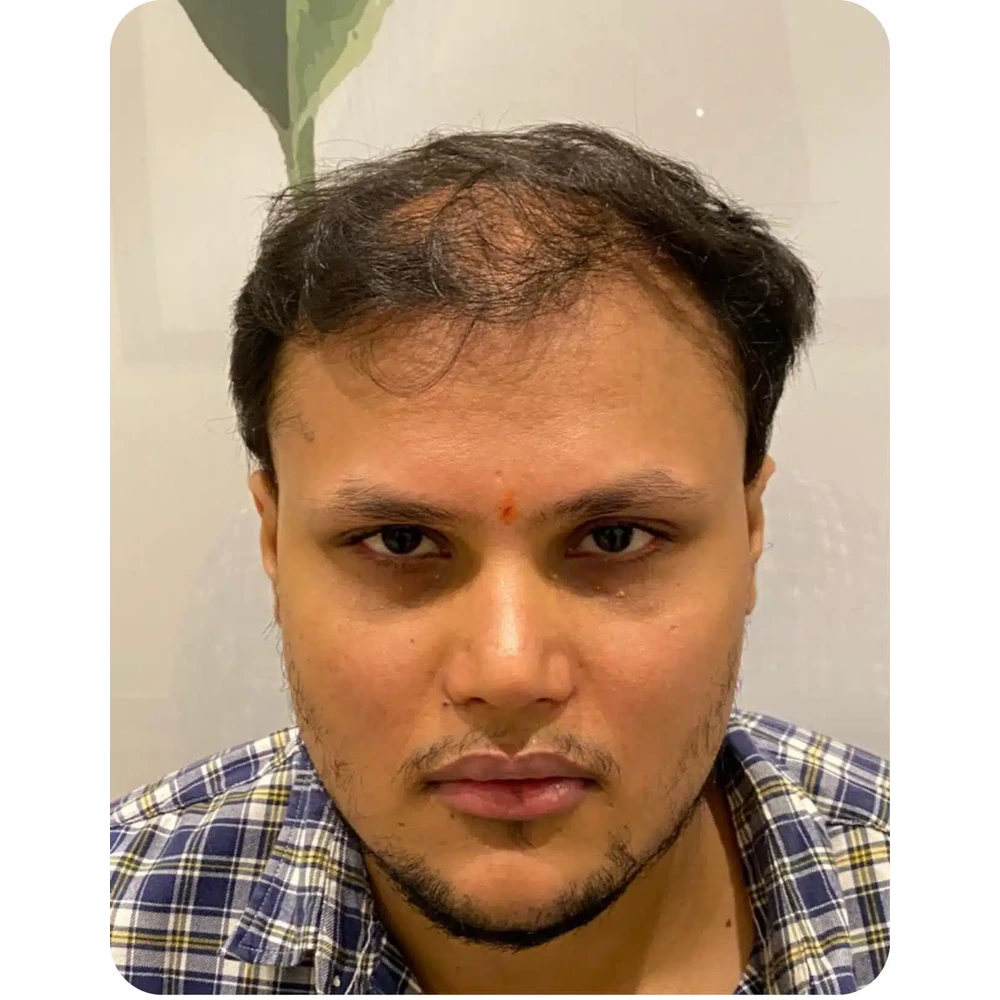
Before & After
Trusted Expertise You Can Count On
10+
Years of Clinic Experience
5,000+
Treatments Performed at the Clinic
Ongoing care
Typical Treatment Time
Certified aesthetic practitioners
Strict clinical hygiene protocols
Personalised treatment planning
Steroid injections can thin skin; systemic therapies have medicine-specific immune and laboratory risks; antifungals require correct diagnosis and dosing. Autoimmune patches may recur, and destroyed scarring follicles cannot regrow. Children with scale or broken hairs need prompt assessment. Wigs, scarves, fibres and eyebrow products can be used alongside treatment without diminishing the legitimacy of medical care.
Frequently Asked Questions
Below are the most common questions about Alopecia Treatment in Multan. Don't see yours? Contact us for a free consultation.
No treatment can guarantee a permanent cure. Hair may regrow on its own or with treatment, but patches can return later. The plan depends on how severe and widespread the loss is, how long it has been present, any nail changes and how the condition has behaved so far, which is why review over time matters more than a fixed course.
Alopecia areata is one cause, but traction alopecia from pulling or tight styling, fungal scalp infection and early scarring alopecias can also produce patchy loss. The size and border of the patch, broken hairs at the edge, discomfort, pustules and loss of visible follicular openings are all clues. The cause should be identified before starting a steroid or an antifungal.
They may promote regrowth in some limited areas, but there is no guarantee of success and repeat sessions may be considered. Discomfort, thinning of skin, pigmentation changes & small depressions may be seen. Dosage, distance from patient’s body part of interest is important for efficacy.
They can help selected people with severe alopecia areata, but they require assessment before starting and monitoring throughout. That usually includes screening for infection such as tuberculosis and hepatitis, blood counts, liver and kidney function and lipids, along with a review of cardiovascular and clotting risk. Licensed age ranges and approvals differ by product, and some people are not suitable candidates.
No. Alopecia areata is autoimmune and cannot be passed on by brushing, sharing hairbrushes or clips, or by close contact. Fungal scalp infection is different, because that does spread from person to person and is most common in children. Scaling with broken hairs points towards infection rather than an autoimmune cause and should be tested.
Cost depends on the diagnosis, extent, trichoscopy, blood tests or biopsy where indicated, medicines, injection sessions and monitoring. A small alopecia areata patch requires different care from widespread autoimmune or scarring disease, so a generic package price is not reliable.
What our clients say about us

"My experience with the clinic was excellent from consultation to recovery. I had a facial surgical procedure done, and the attention to detail was impressive. The results enhanced my features without making me look artificial. I’ve received so many compliments since then."

"For years I avoided fitted shirts and social gatherings because of gynecomastia. Finally getting the surgery changed my confidence completely. The results look very natural, and I honestly wish I had done it earlier. The surgeon explained every step clearly which gave me peace of mind."

"I always looked tired because of the extra skin around my eyes, even when I was fully rested. After my blepharoplasty procedure, my eyes look fresh and natural. The recovery was smoother than I expected, and the clinic staff made me feel comfortable throughout the process."
"I wanted a subtle change to my nose without losing my natural features. The rhinoplasty result was exactly what I hoped for. My face looks more balanced now, and even my family appreciated how natural everything turned out."
"I was nervous before starting laser treatment, but the experience was much easier than I expected. The clinic environment is clean and professional. After multiple sessions, the hair growth has reduced a lot."
"I wanted subtle Botox results without looking overdone. The doctor understood exactly what I wanted and kept everything very natural. I still look like myself, just more fresh and relaxed."

The best aesthetic clinic in Multan
Whether you're looking to reduce fine lines, enhance your features, or achieve glowing skin — our specialists are ready to help you look and feel your very best.
Ready to Reveal Your Best Self?
Book a consultation today and let our specialists create a personalised treatment plan just for you.